
FAQ’s
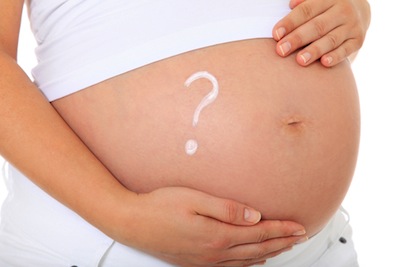
What is Placentophagia?
Placentophagia is the process of a new parent consuming their placenta postpartum by either eating the placenta raw, cooked, in capsule form or drinking the juices from the placenta once it is cooked.
Have any scientific research studies been made on placentophagia?
Yes, many studies have been done on the subject. The links below are scholarly articles regarding placenta encapsulation benefits.
Does eating placenta offer postpartum health benefits?
Steamed, Dehydrated or Raw: Placentas May Help Moms’ Post-Partum Health
How will you encapsulate my placenta?
I will stop by the hospital to pick up the placenta and I will begin the encapsulation process as explained in the services page. Once I have completed the encapsulation, I will drop the capsules off along with some keepsakes and answer any further questions you may have.
What safety measures do you take during the encapsulation?
I follow all OSHA Bloodborne Pathogen standards when encapsulating and am certified through the American Red Cross. The entire work area and instruments are washed thoroughly with hot water and a bleach solution. Everything I use is non-latex, disposable, stainless steel or food grade plastic. In addition I only work with one placenta at a time, so I can dedicate my full attention and care to it.
I ask that all clients sign an agreement that states they do not have HIV or Hepatitis.
Will my capsules have an aftertaste?
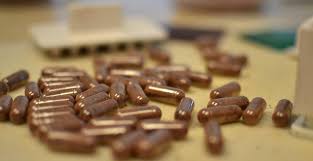
I use vegetarian 00 capsules which are the same capsules used for supplements. Therefore, there is no aftertaste or pungent smell to them.
Can I encapsulate my placenta if I have a C-Section or receive medication such as an epidural during labor?
Yes, your placenta can be encapsulated whether you have a vaginal or cesarean section or if you receive pain medication during labor. This will not affect the outcome of your encapsulation.
Please make sure you advise the nursing staff that you wish to keep your placenta so they don’t discard it or use any chemicals on it. Your placenta should remain with you, on ice and in a cooler until it is picked up or taken to your home.
Can I encapsulate my placenta if I received antibiotics during pregnancy or if I am GBS positive?
Yes, a person that has tested positive for Group B Strep can encapsulate their placenta unless they develop a fever during their labor and/or has their placenta taken to pathology.
Does the placenta store any toxins?
The placenta acts as a filter rather than a storage. Any waste between the pregnant person and baby is removed through the pregnant person just as any other waste is removed from their body. The placenta does not hold on to any waste unless the birthing person is a cigarette smoker. Heavy metals in cigarettes do build up overtime.
What if the hospital refuses to release my placenta?
There are no laws in the State of Michigan against releasing a placenta to it’s rightful owner. It is perfectly acceptable to ask to see a hospital’s specific policy on placenta release. Most of the time, hospitals make up these “policies” and they’re not anywhere in writing. United States Placenta Release Laws
Can I still encapsulate my placenta if I decide to bank my cord blood?
Yes, you absolutely can. Once the blood is collected from the cord, the placenta can be left for your encapsulation.
If any of your questions weren’t answered, please email Courtney at mothersown@live.com or call 313-474-1975
 Mother’s Own-Placenta Encapsulation Services, LLC